Do Not Buy Into These "Trends" About Bedfordshire Electrician


What Does an Electrician Do?
A variety of jobs require knowledge and expertise for electricians. They are responsible for wiring installing and maintaining electrical systems and components.
They can work in residential homes and commercial buildings. The main function of electricians is to ensure that the electrical systems in a building are safe and meet regulations.
Qualifications
Electricians are highly skilled tradesmen who work with a range of electrical equipment. Their duties range from repairing wiring to installing power systems, and they can also assist with data cabling and equipment.
They are able to do their work in a safe and legal manner in the event that they have the proper qualifications and experience. This will vary based on the type of job they are doing, but it is always important to ensure that you have completed your training with a company which is recognized by the regulatory bodies of the industry.
Apprenticeships are the most popular method of becoming a fully qualified electrician. This usually involves technical on-site assessments as well as vocational training. However, a few people are now also able to become fully qualified by other routes.
Another option is to earn the City & Guilds Level 2 or 3 Domestic Electrical Course qualification. They are ideal for those who are looking to begin working in the field and can help you gain an insight into the different areas of the trade.
These classes are usually offered through a college or training center. You may also be required to attend workshops as part of the program. These courses are designed to give you the skills you need to become an electrician.
If you want to take your electrical career further, you can complete a number of vocational qualifications in addition to the fundamental knowledge you've acquired from your City & Guilds electrical course. These qualifications include certification, testing, and inspection.
The next step is to sign up with the Joint Industry Board (JIB) and get an Electrotechnical Certification Scheme (ECS) card. This will permit you to work as an electrician in the UK. You may also work for customers without supervision.
The next step is obtaining an NVQ Level 3 Electrotechnical Install NVQ or an equivalent. This will demonstrate that you possess the knowledge and abilities required to do your job as an electrician. It will also give you the confidence to take on a variety of tasks associated with the profession, such as commissioning new installations as well as fault-rectification.
Experience
An electrician is a highly skilled tradesman who designs, installs and repairs electrical systems for a home or business. They can also alter safety switches and switchboards or install appliances such as ceiling fans, security systems and fire alarms. They study blueprints, measure and test the electrical system and are aware of Brighton, East Sussex, UK building codes.
The demand for electricians in bedfordshire is extremely high due to the constant demand for skilled tradesmen across the country. In addition, there is various pathways to progression for those looking to advance their careers in the field.
If you're interested in becoming an electrician the first step is to obtain the required qualifications. Many people begin with an apprenticeship. This can take between 3 and 4 years. Following this, you may then pursue vocational qualifications such as a Level 3 Diploma or a Level 3 Technical Certificate.
Another option for those without a relevant vocational or technical qualification is to qualify through an alternative route for example, the Joint Industry Board (JIB) Experienced Worker Scheme. This option is only available to those with at least 5 years' work experience in the sector and is regarded as an equivalent to a vocational or technical qualification.
The type of work you are interested in doing will determine the requirements you'll need to be an electrician. If you are planning to work as an installation electrician then you'll need an all-encompassing level A electrical certificate. This applies to commercial, domestic as well as industrial applications and permits you to join any electrical Competent Persons Scheme in the UK.
Other qualifications you can be looking for include the National Inspection Council for Electrical Installation Contracting (NICEIC) certification. NICEIC is an independent organization which regulates the work and education of electricians. Visit their website to learn more about the organization and to determine whether an electrician is registered.
An experienced electrician can handle all kinds of installations and will be able to troubleshoot any problems that arise in a fast manner. This will ensure that you get the best quality results and that the job is done correctly.
Insurance
It doesn't matter if work as an electrician for a contractor, or you are an independent contractor, it is important to have insurance in order to safeguard your business. You can shield yourself from financial risks like property damage, theft, and injuries while working.
There are many different types of cover available for electrical contractors, so it's crucial to know your risk profile for your business and the level of protection you need. For certain projects, additional policies might be required, such as employer's liability or stock and material coverage, and contract works insurance.
You also need to consider your personal and professional indemnity insurance needs. It will protect you if you are found to be negligent in your work, for instance when a client takes your advice and suffers financially.
Product liability insurance will also help if you are found to be at fault for the damage caused by your work. For example, if you install an electric switch that causes a customer to be electrocuted. Your product liability insurance will then try to recuperate the loss from the manufacturer, which means you don’t have to pay any amount.
Another type of insurance is contract work insurance, which can help you receive a payment if you are working on a project that is halted due to unforeseen circumstances such as flood or fire. If you need to delay the project while you source materials or employ a plumber, this will help you.
It is essential that you have comprehensive insurance coverage to safeguard your business and yourself. Compare rates and shop around. For a quick quote on a policy that is suitable for your needs and budget, use our online quote calculator.
A great insurance policy for your electrical business should include general liability insurance as well as employers liability insurance. It should also cover against the loss and theft of your equipment.
Licensing
The kind of work that an electrician does will have different licensing requirements. Residential electricians, for instance utilize single-phase power sources. This is in contrast commercial electricians who employ three-phase power. Electricians also require different forms of insurance, such as public liability and employers liability.
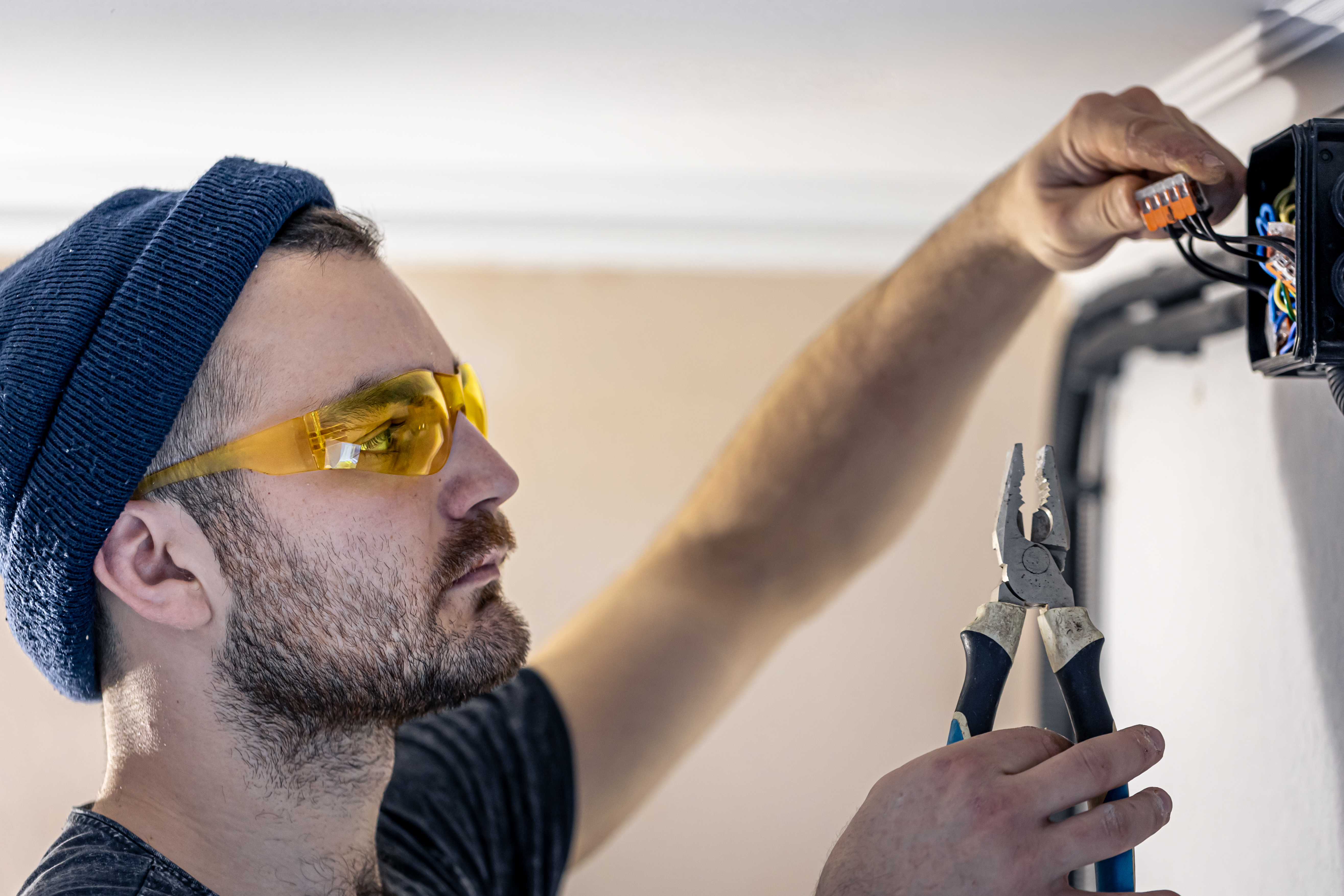
To become a licensed electrician in bedfordshire, you must meet certain requirements. The requirements differ based on the type of work you perform and therefore it is essential to know them all.
A master electrician license is a license that enables you to perform work on electrical wiring and equipment including heating, lighting, and ventilation systems. It is issued by the Department of Energy Safe Victoria (ESV).
You will also need to pass a written examination in order to be able to get your license. This test will help you demonstrate that you have the necessary skills to be an electrician, and will ensure that you meet the standards of the state.
Online applications are available for licenses. All applications must be submitted in a timely manner, and any modifications to the information could result in an incomplete application.
In addition, you have to submit proof that you have workers' compensation insurance and disability insurance. This will help protect your finances if you are injured on the job or become disabled.
You can also get a contractor's licence that allows you to be an electrician under the supervision of another licensed electrician. electrical contractors in bedfordshire is an excellent option if you're trying to expand your business and are looking to take on more employees.
Finally, you must carry general liability insurance for your company. It will cover any damages caused to third parties due to your actions and legal costs.
As a self-employed electrician, you're covered for the same reasons, however it is advised to speak with a specialist broker. They can assist you with income protection insurance together with life insurance, TPD and trauma insurance to aid you in the event that there were to be a catastrophe that occurred to your family or yourself working.